Table of Contents
Their instructional histories are distinct. Psychoanalysts are clinical doctors who have actually finished medical college and a residency in psychiatry. They are certified to recommend drug, conduct physical exams, and order or interpret laboratory tests. This permits them to think about both the physical and psychological aspects of a client's health.

states) and tend to treat psychological health and wellness concerns with numerous forms of treatment, such as cognitive-behavioral therapy or social therapy. Their specializations can differ. While both areas offer a variety of specialties, psychiatrists usually focus on certain psychiatric disorders or populations (like child, teen, or geriatric psychiatry). Psychologists often focus on areas like scientific psychology, counseling psychology, or business psychology.
On the various other hand, if you're experiencing emotional distress, managing life stress factors, or dealing with anxiety or moderate to moderate clinical depression, a psychologist could be the right choice. Psychologists concentrate on supplying psychotherapy and use numerous healing strategies to aid patients understand their feelings, ideas, and behaviors. The finest area to start is with a practitioner you really feel comfortable talking to.
Psychologists and psychoanalysts often function with each other to offer extensive treatment. At My Psychoanalyst, we have a group of experienced psychoanalysts and psychological wellness carriers committed to giving top quality psychological health and wellness treatment.
Self-Understanding with ADHD
Psychologists and psychoanalysts play crucial functions in psychological healthcare, yet their training, approaches and treatment methods vary. Whether you're discovering the nuances between these careers for personal rate of interest or job ambitions, recognizing the distinctions is key. Continue reading as we delve right into the specifics of psychology and psychiatry and uncover which path could align best with your desires and specialist goals.
The term actually means "clinical treatment of the soul," reflecting the advancing approach to understanding and treating mental disease. While both psychologists and psychiatrists play important duties in psychological healthcare, their training, strategies and methods of therapy frequently vary dramatically. Below, we'll concentrate on the differences in between these two occupations, assisting to clarify their one-of-a-kind features and the setups in which they run.
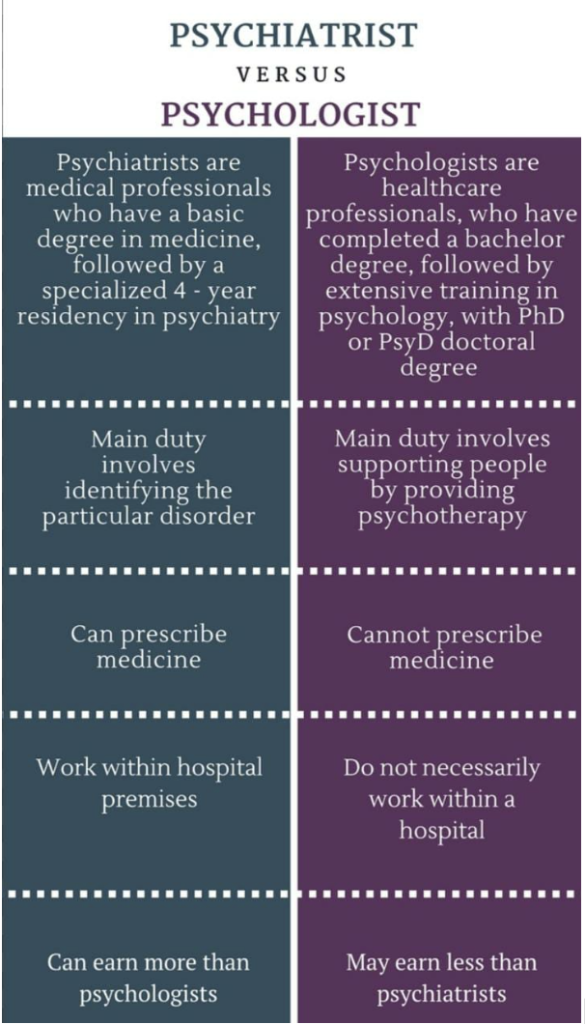
Both are rooted in a deep understanding of the human mind yet split in focus and methodology. This structure is built upon through a master's degree, which focuses on innovative concepts and functional applications of mental practices.
This advanced degree needs four to six years of committed research, including extensive study, clinical internships and an extensive examination procedure. On the other hand, psychoanalysts are a kind of doctor; therefore, they follow a path that integrates a medical level with a psychiatric expertise. After finishing a bachelor's level, which usually includes pre-medical or scientific coursework, aspiring psychoanalysts get in clinical college.
Multifaceted Clinical Services Across the Lifespan
Both are trained to examine psychological concerns, create treatment strategies and provide treatment. They commonly collaborate, referring patients to each other to ensure they attend to all elements of a patient's wellness demands. Psychologists primarily concentrate on evaluating and treating psychological and emotional disorders via non-medical ways, whereas, as clinical physicians, psychiatrists have the authority to carry out a wider array of medical procedures and prescribe medicine.
Determining in between these two profession courses mainly relies on your rate of interests and exactly how you picture your future job with clients. If you are drawn to restorative methods and assisting clients through therapy and psychological analysis without using medication, psychology might be your path. On the other hand, if you have a solid passion in medicine and how it intersects with psychological health and wellness, consisting of the capacity to prescribe drugs and treat complex psychiatric problems, psychiatry might be a much better fit.
Take a step towards making a significant differencebecause at UND, we do not just study mental wellness, we assist improve it. Open All Areas Specialists generally drop under the category of psychologists as they describe experts that give psychiatric therapy and counseling. Yes, psychologists can detect some mental diseases and offer treatment via different kinds of treatment.
Seeking Neurodivergent Support
A psycho therapist has an advanced level in the Scientific research of Human Actions. Many psycho therapists have specialist training and scientific skills to examine and treat your psychological health and wellness making use of psychotherapy (talk treatment), psychological assessments and screening. Psycho therapists help individuals discover to deal much more efficiently with life and relationship problems and mental wellness problems.
Professional psycho therapists can work in several setups, consisting of: Schools. While there's a whole lot of overlap between the professions of a therapy psycho therapist and medical psycho therapist, the vital difference is that a professional psychologist concentrates extra on psychopathology (the study of psychological health conditions); whereas a counseling psycho therapist helps people address emotional, social and physical stress factors in their lives.
Some specialists believe there shouldn't be 2 distinctive terms for these mental health and wellness professionals. In spite of words "clinical," a clinical psychologist isn't a clinical physician. They normally can not get clinical examinations, like blood or imaging tests, and they generally can not recommend drug. While exercising medical psychologists have a postgraduate degree either a Medical professional of Philosophy (PhD) level in a field of psychology or a Medical professional of Psychology (PsyD) degree they don't have a clinical postgraduate degree (MD or DO).
Important Signs of ADHD

Psychologists deal with mental wellness conditions with psychiatric therapy (talk therapy). Psychoanalysts typically deal with more complex psychological health conditions than psychologists, especially ones that need medicine or clinical treatments.

Table of Contents
Latest Posts
Locating the Right Mental Wellness Assistance: An Extensive Check Out Stress And Anxiety, Clinical Depression, and Trauma Therapy Options
Building Effective Communication Tools
Reconnecting Interoceptive Awareness
Navigation
Latest Posts
Building Effective Communication Tools
Reconnecting Interoceptive Awareness